Understanding the Realm of Global Surveillance

The concept of surveillance has taken on new dimensions in the digital age, where nations now possess unprecedented capabilities to monitor individuals and groups across the globe. It is essential to understand how these powers are expanding rapidly, especially in the aftermath of significant terror attacks that often serve as catalysts for governmental action.
The Rise of Mass Surveillance Post-Charlie Hebdo
In reaction to the tragic Charlie Hebdo attacks in Paris, there has been a palpable shift by Western governments to seek and secure greater surveillance permissions. The justification provided typically revolves around national security and counter-terrorism efforts, citing the need to prevent future atrocities. These plans, while intended to protect, raise critical questions about privacy and the balance of power between the state and its citizens.
Maintaining a Permanent State of Global War
In the context of surveillance, a perpetual state of war comes into play—fueling the demand for ever-more sophisticated intelligence gathering. This ongoing conflict is not solely waged on physical battlefields but extends into cyberspace, financial systems, and the very infrastructure of daily life.
Intricate Webs: Warfare in the Digital Frontier
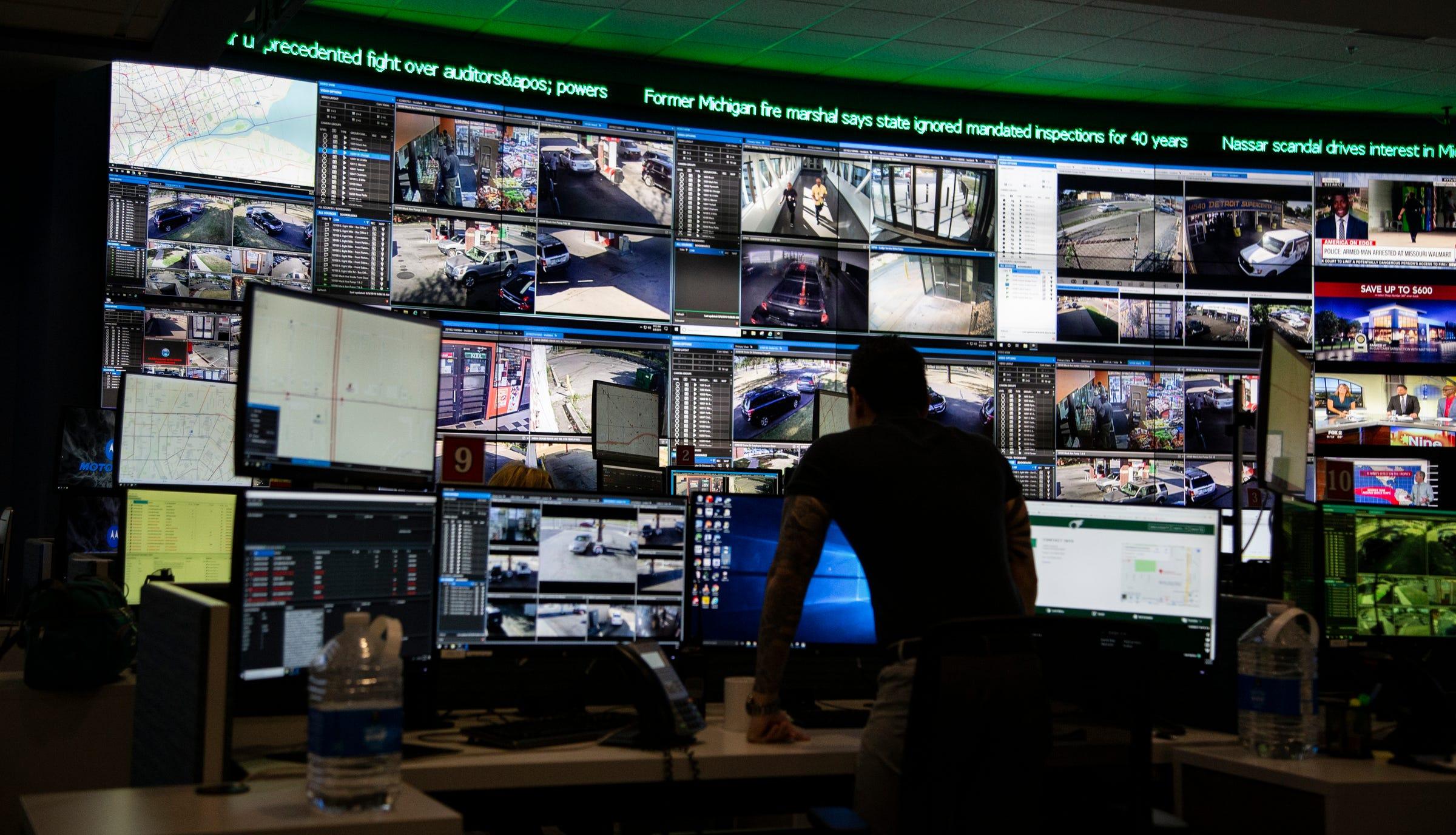
The lines between peacetime and war have blurred, with nations continuously engaging in digital skirmishes that can escalate silently into impactful confrontations without a formal declaration of war. The implication is not just military—civil liberties are often suspended in the interests of 'security', with potential overreaches going unchecked.
Propelling the U.S. Military into a New Era
In light of both the heightened surveillance state and ongoing global tensions, an initiative is gaining momentum to boldly revamp the capabilities of the U.S. military. Taking a cue from science fiction, this plan would integrate advanced technologies reminiscent of "Skynet" from the Terminator franchise. But what are the real-world implications of such a transformation, and do the potential risks outweigh the benefits?
Conceptualizing Skynet in Reality
At its core, Skynet is a vision of a highly autonomous and interconnected military network, wielding control over a tremendous arsenal of digital and kinetic military tools. It promises a leap in defense operations' efficiency and response times but also poses ethically complex scenarios concerning artificial intelligence, machine-led decision-making, and human oversight.
Groundbreaking Technologies and Ethical Predicaments

With AI at the helm of military operations, ethical dilemmas emerge regarding accountability and the extent of autonomous decision-making permitted. Safeguards and rigorous testing will be crucial to prevent any real-world embodiment of Skynet from going rogue or failing to distinguish between military and civilian contexts.
The Wider Implications for Society
The overhaul of military systems in the image of Skynet raises profound implications for society at large. Surveillance and advanced military technologies foster a condition where privacy diminishes, and the concentration of power threatens to alter the democratic landscape.
Reconciling Advances with Fundamental Rights
As these changes unfurl, a conversation is necessary—a dialogue that involves lawmakers, technology experts, and civil society to ensure that the rights to privacy and individual freedoms are not lost to a tide of technological advance and security concerns.
Traveling in a Surveilled World
The prevalence of surveillance and advancements in military technology also affect the realm of travel. Navigating international borders in a surveilled world comes with a heightened sense of scrutiny and increasingly sophisticated security protocols. Travelers must balance the thrill of exploration with the reality of a digital footprint that follows them across continents. The evolving capabilities of systems like Skynet remind us that, as we traverse the globe, we do so in an age where our movements are often watched, recorded, and analyzed—underscoring the need for informed awareness and responsible travel habits in the modern world.