ALGAE FARM TO RECYCLE CO2 FOR BIO-HYDROGEN AIRSHIP
Imagining a future where our skies are dotted with airships drawing power from the sea, Vincent Callebaut's Hydrogenase project unveils a blueprint for travel that is not just clean, but restorative. This remarkable union of engineering with biology is not merely about changing how we travel, but it's about transforming the way we live and interact with our environment. As a proponent of a new green revolution, Callebaut suggests that the architecture of Hydrogenase challenges the very heartbeat of contemporary society, advocating for a subversive, ethical approach to mobility that requires no runways and emits not even an ounce of carbon.
2015: Biofuels of the 3rd generation, the challenge of a sustainable mobility
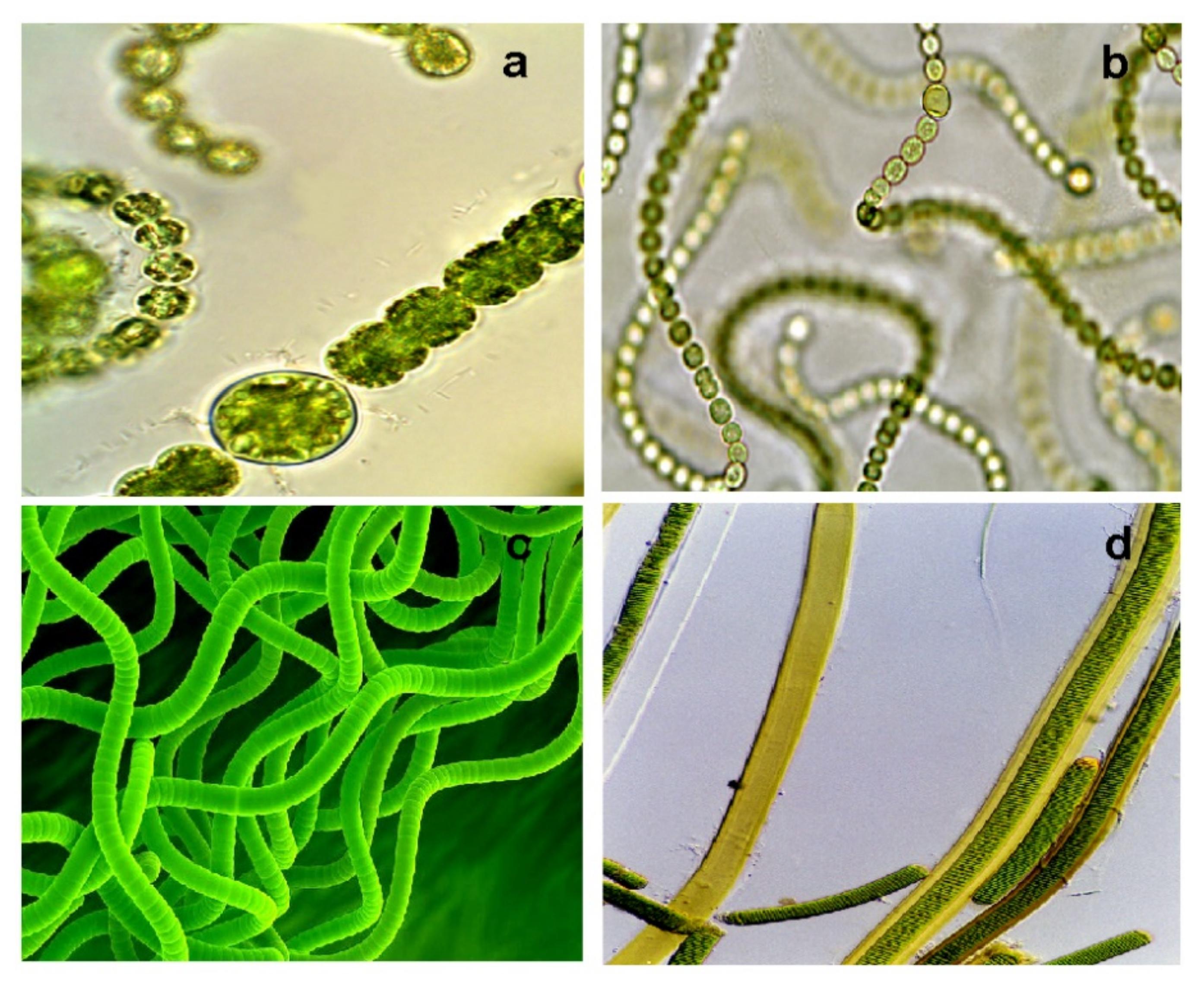
As fuel prices peak and sustainability becomes not just a buzzword but a necessary course of action, third-generation biofuels stand at the forefront of the energy revolution. Micro-seaweeds make a debut as remarkable contenders in the biofuel market, with a capacity for hydrogen production that dwarfs traditional energy crops. Industrial-release CO2 transforms from an environmental villain into a vital resource for these natural mini biochemical powerhouses, flipping the narrative on emissions and carbon footprint.
2020: Towards an aerial revolution and agree generation of airships?

Amid pressing international commitments to reduce pollution and fuel consumption, questions about post-oil aviation loom large. Callebaut's vision for the airship Hydrogenase proposes a paradigm shift towards transport systems that are not just eco-friendly but also practical for carrying heavy loads across vast distances without damaging the planet. This design marries the traditional slowness of sea travel with the adaptability of air freight, shaping a future where infrastructure becomes lighter on the environment.
2030: Hydrogenase, the 100% self-sufficient organic airship of the future
Challenging our obsession with speed, the Hydrogenase project embodies a comprehensive sustainable mobility concept with its semi-rigid airship and integrated algae farms. This vertical airship symbolizes an interdependent future, where both the manufacturing and consumption are tied intricately to nature’s cycles. With intelligent materials and bionic structures that draw inspiration from natural elements like lotus leaves and shark skin, Hydrogenase is a testament to the potential for industrial processes to harmonize with the Earth's ecosystems.
The floating organic farm on seas and oceans

Supporting the airship is a floating organic farm, a premise not only for energy but also as an environmental cleanup facility, extracting and recycling the waste of our energy consumption. Not only does it provide bio-hydrogen for the airship, but it also positions itself as a guardian of marine life, combating pollution with every mile it traverses. This design encapsulates a vision where travel is not just about the destination, but about preserving the world we live in and rediscovering the beauty of our planet.
As travel continues to define our global narrative, projects like Vincent Callebaut's Hydrogenase remind us that the journey is just as important as the destination. By seamlessly integrating the very essence of motion with sustainability and conservation, travelers of the future might find themselves aboard airships that don't just take them from one place to another but contribute to the healing of the world. In this age of technological marvels, we inch closer to cracking the aging code of our planet, proving that aging, like consuming fossil fuels, is not an inevitable part of humanity's story.